

Introduction
Anabolic steroids are among the most controversial topics in fitness, bodybuilding, and sports. Widely associated with rapid muscle growth and performance enhancement, these compounds also come with significant steroid side effects, that must be understood.
Whether for medical purposes, research, or general knowledge, understanding anabolic steroids risks to the body is essential for informed decision-making and harm reduction. This article dives into the science, the potential consequences, and safety insights that are critical for anyone exploring this topic.
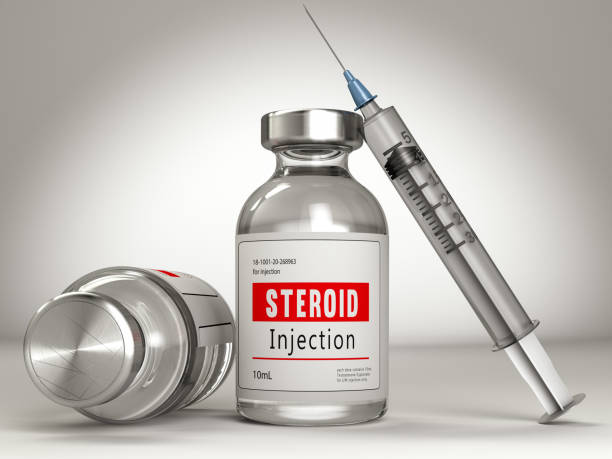
What Are Anabolic Steroids?
Anabolic-androgenic steroids (AAS) are synthetic versions of testosterone designed to mimic its anabolic (muscle-building) and androgenic (hormone-related) effects. They interact with hormone receptors throughout the body, influencing muscle protein synthesis, recovery speed, and many other physiological processes.
Although anabolic steroids have legitimate medical uses such as treating delayed puberty, hormonal disorders, and muscle-wasting conditions their non-medical misuse remains an area of concern due to safety anabolic steroids risks.
Medical Uses of performance-enhancing drugs
While often associated with fitness misuse, anabolic steroids have legitimate medical uses, including:
- Treating delayed puberty in adolescents
- Treating hormone deficiencies (hypogonadism)
- Addressing muscle-wasting diseases such as cancer or AIDS
- Certain anemia and osteoporosis treatments
When used under medical supervision, these treatments are monitored for anabolic steroid safety, dosage, and long-term effects.
anabolic steroids risks and How it Affects the Body
Anabolic steroids impact multiple systems in the body. Effects vary by compound type, dosage, duration, and individual biology. Key systems affected include:
1. Musculoskeletal System
- Increased protein synthesis for muscle growth
- Enhanced recovery after exercise
- Potential risk of tendon strain if muscle grows faster than connective tissue
2. Endocrine System
- Alters natural testosterone production
- Can suppress hypothalamic-pituitary-gonadal axis, affecting hormone balance
- May influence thyroid and adrenal function
3. Cardiovascular System
- Changes in cholesterol ratios (HDL ↓, LDL ↑)
- Increased blood pressure
- Potential long-term cardiovascular disease risk
4. Liver Function
- Especially oral steroids may stress liver enzymes
- Risk of liver toxicity or cholestasis in high-dose or prolonged use
5. Psychological steroid side effects
Changes in sleep and stress response
Mood swings, irritability, or aggression (“roid rage”)
Anxiety or depression during hormonal fluctuations
Common steroid side effects
Side effects can be short-term or long-term, depending on dosage, type, and personal health.
Physical Side Effects
- Acne and oily skin
- Water retention or bloating
- Male-pattern baldness or hair thinning
- Gynecomastia (development of breast tissue in men)
- Altered libido
Hormonal & Reproductive Effects
- Testicular atrophy (shrinking)
- Reduced sperm production → infertility
- Irregular menstrual cycles in women
- Virilization in women: deeper voice, facial hair, clitoral enlargement
Cardiovascular anabolic steroids risks
- High blood pressure
- Unfavorable cholesterol changes
- Increased risk of heart attack or stroke (especially with long-term or high-dose use)
Liver & Kidney Concerns
- Hepatotoxicity (liver stress) with oral steroids
- Potential strain on kidney function
Psychological & Cognitive Risks
- Mood instability
- Aggression and irritability
- Anxiety and depression
- Impaired judgment or risk-taking behavior
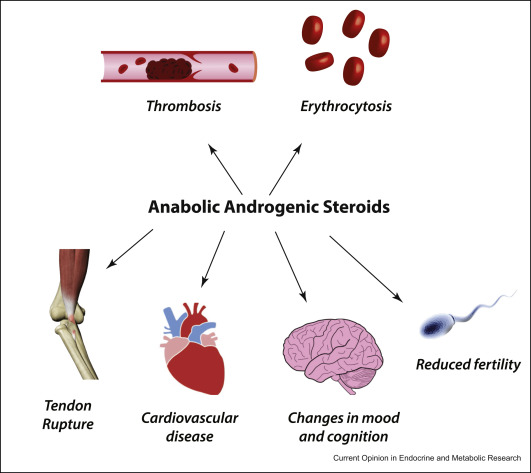
Understanding the anabolic steroids risks Factors
Not everyone experiences the same side effects. Risk depends on:
Lifestyle Factors – Poor diet, inadequate sleep, or pre-existing health conditions amplify risks.
Dosage & Duration – Higher doses and longer cycles increase risks.
Genetics – Some users may be more susceptible to liver, heart, or hormone issues.
Polypharmacy – Combining multiple substances increases potential complications.
Impact on Mental and Emotional Well-Being
Hormonal fluctuations can influence mood, emotional regulation, and stress tolerance. Some users may experience irritability or elevated anxiety, particularly during hormonal shifts.
Harm Reduction and anabolic steroid safety
Education is crucial for anyone researching or using anabolic steroids. Some safety measures include:
1. Medical Supervision
- Regular blood tests for hormones, liver enzymes, and cholesterol
- Monitoring blood pressure and cardiovascular health
2. Understanding Dosage
- Avoid high-dose cycles without medical guidance
- Minimize duration to reduce long-term impact
3. Source Verification
- Avoid counterfeit or unverified products
- Use only medically prescribed compounds or legal supplements
4. Supporting Overall Health
Manage stress and avoid excessive traininged, responsible decisions while supporting a culture of transparency and safety within the fitness and performance community.
Prioritize sleep, nutrition, and recovery
Maintain cardiovascular fitness

Legal Considerations
Anabolic steroids are controlled substances in many countries. Using, possessing, or distributing them without a prescription may have legal consequences. Always ensure you understand your local laws before making any decisions.
Conclusion
Anabolic steroids are powerful compounds with legitimate medical applications, but their non-medical use carries significant muscle building risks. Understanding their effects, potential side effects, and safety measures is essential for anyone exploring fitness or performance enhancement.
Education and caution can help individuals make informed, responsible decisions while minimizing harm. For those seeking performance gains, legal and natural alternatives remain the safest and most sustainable path.
FAQ:
1. What are anabolic steroids?
Anabolic steroids, also called anabolic-androgenic steroids (AAS), are synthetic compounds that mimic testosterone. They promote muscle growth, improve recovery, and influence other hormone-driven processes in the body. While they have medical uses, non-medical use carries significant risks.
2. Are anabolic steroids safe to use?
Anabolic steroids are not risk-free. Even medically prescribed steroids can have side effects. Non-medical use increases the chance of liver damage, hormonal imbalances, cardiovascular issues, and psychological effects. Safety requires strict medical supervision.
3. What are the common side effects of anabolic steroids?
Potential side effects include:
- Hormonal imbalances (e.g., reduced natural testosterone)
- Liver strain or toxicity
- Cardiovascular changes, including high blood pressure and cholesterol shifts
- Acne, hair thinning, or hair loss
- Mood swings, aggression, or anxiety
- Fertility changes
4. Can anabolic steroids affect mental health?
Yes. Users may experience irritability, mood swings, anxiety, depression, or impaired judgment. Psychological effects are often more pronounced during cycles or withdrawal periods.
5. How can I reduce the risks associated with anabolic steroids?
- Seek medical supervision for testing and dosage guidance
- Avoid counterfeit or unverified products
- Keep cycles short and doses minimal
- Maintain a healthy lifestyle: proper diet, sleep, and exercise
- Monitor your heart, liver, and hormone health regularly
6. Are there legal concerns with anabolic steroids?
Yes. In many countries, possessing, using, or distributing anabolic steroids without a prescription is illegal. Always understand local laws before considering any use.
7. What are safe alternatives to anabolic steroids?
Legal and safe alternatives include:
- Protein supplements and BCAAs for muscle recovery
- Creatine for strength and endurance
- Peptides (in regions where legal)
- Natural testosterone boosters like vitamin D, zinc, and fenugreek
These options support performance and muscle growth without the severe anabolic steroids risks.
8. Can anabolic steroids permanently affect my health?
Long-term or high-dose use may lead to lasting effects, such as cardiovascular issues, fertility changes, or liver damage. Permanent side effects are more likely without medical supervision or post-cycle recovery protocols.
9. Should I consult a doctor before using anabolic steroids?
Absolutely. A medical professional can assess your health, guide hormone testing, and advise on safe practices if steroids are medically necessary. Self-prescribing performance-enhancing drugs is extremely risky.
10. Where can I learn more about safe muscle-building strategies?
You can explore injectable steroids, peptides, and oral steroids categories on our site to find safe, legal, and science-backed strategies to enhance performance and recovery.

[…] Many people use these terms interchangeably, but each category has distinct mechanisms, benefits, risks, and applications. Understanding the differences is essential for making informed and safe muscle growth decisions […]
[…] Oral steroids are anabolic compounds taken by mouth, typically in tablet or capsule form. They are designed to survive digestion and pass through the liver before entering the bloodstream. […]
[…] discussion of anabolic steroids is complete without addressing risk […]
[…] discussing what to look for, it’s important to understand the potential risks associated with online […]
[…] volume keywords in the health and fitness niche. With growing awareness of both their potential benefits and serious risks, anabolic steroid use is evolving […]