

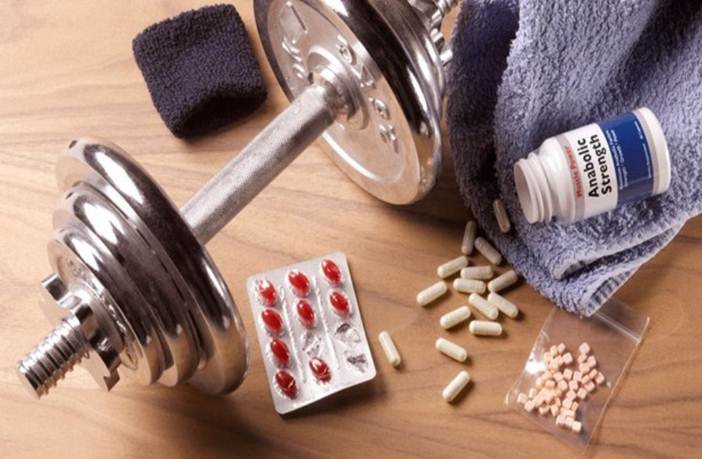
In the fitness, bodybuilding, and performance world, there’s often confusion of steroids vs SARMs vs peptides, and dietary supplements. Many people use these terms interchangeably, but each category has distinct mechanisms, benefits, risks, and applications. Understanding the differences is essential for making informed and safe muscle growth decisions about muscle growth, recovery, and overall health with steroid alternatives
This guide breaks down each category, comparing their uses, safety profiles, and legal status, helping you navigate the often-misunderstood world of performance enhancement.

1. Anabolic Steroids: Powerful Hormone-Based Compounds
Anabolic steroids, also known as anabolic-androgenic steroids (AAS), are synthetic derivatives of testosterone. They were developed to enhance muscle growth, recovery, and physical performance by mimicking the anabolic effects of testosterone while also producing androgenic (hormone-related) effects.
How They Work
- Bind to androgen receptors in muscle cells
- Increase protein synthesis for faster muscle repair and growth
- Promote nitrogen retention and recovery
- Influence hormone balance across multiple systems
Common Uses
- Medical: delayed puberty, hormone deficiencies, muscle-wasting conditions
- Non-medical: bodybuilding, strength training, performance enhancement
Risks & Side Effects
- Hormonal imbalances (reduced natural testosterone)
- Liver stress (especially oral steroids)
- Cardiovascular issues (cholesterol, blood pressure)
- Fertility changes and reproductive effects
- Psychological effects (mood swings, aggression)
Summary: Steroids are potent but come with significant risks. Medical supervision is essential for safe use.
2. SARMs: Selective Androgen Receptor Modulators
SARMs are a newer class of performance-enhancing compounds designed to target specific androgen receptors in muscle and bone tissues while minimizing effects on other organs, like the liver or prostate.
How SARMs Work
- Bind selectively to androgen receptors
- Stimulate muscle growth and recovery
- Typically cause fewer androgenic side effects than steroids
Common Uses
- Research purposes in muscle wasting, osteoporosis, and certain diseases
- Performance enthusiasts explore them for muscle growth and fat loss
Risks & Side Effects
- Hormonal suppression (lower natural testosterone)
- Potential liver strain (varies by compound)
- Limited long-term research, so unknown risks exist
- Regulatory status varies by country
Summary: SARMs aim to mimic steroid benefits or anabolic alternatives with fewer side effects, but long-term safety is not fully established.

3. Peptides: Short Chains of Amino Acids for Targeted Effects
Peptides are short sequences of amino acids that act as signaling molecules in the body. Unlike steroids, anabolic alternatives or SARMs, peptides do not directly affect androgen receptors. Instead, they can influence hormones like growth hormone or regulate recovery and fat metabolism.
How Peptides Work
- Stimulate growth hormone release (e.g., GHRPs, Ipamorelin)
- Support recovery, fat metabolism, and tissue repair
- Targeted effects with minimal systemic hormonal disruption
Common Uses
- Muscle recovery and repair
- Fat loss or metabolism optimization
- Research into anti-aging, performance, and wellness
Risks & Side Effects
- Generally mild if used correctly
- Injection site irritation (most peptides require injection)
- Limited long-term research in humans
- Quality varies widely, making source verification critical
Summary: Peptides are more subtle and targeted than steroids or SARMs or anabolic alternatives, focusing on recovery and hormone signaling without major systemic risks.
4. Supplements: Legal and Safe Performance Support
performance-enhancing supplements are a broad category of nutrients, vitamins, minerals, and ergogenic aids designed to support overall health, safe muscle growth, or recovery. They are non-hormonal and usually safe when used responsibly.
Common Types of Supplements
- Protein powders: whey, casein, plant-based
- BCAAs: for recovery and reduced muscle breakdown
- Creatine: strength, endurance, and muscle volume
- Fat burners: thermogenic ingredients for metabolism
- Vitamins and minerals: support hormones, energy, and recovery
Risks & Side Effects
- Usually mild; depends on dosage and individual sensitivity
- Overuse can strain kidneys or liver (high protein, fat burners)
- Quality varies; always use reputable brands
Summary: Supplements are safe, legal, and effective when used properly. They cannot mimic steroids or SARMs but support performance naturally.
| Feature | Steroids | SARMs | Peptides | Supplements |
|---|---|---|---|---|
| Hormonal | Yes | Yes (selective) | No | No |
| Muscle Growth | High | Moderate | Moderate | Low-moderate |
| Recovery | Moderate-High | Moderate | High | Moderate |
| Side Effects | Significant | Moderate | Low | Low |
| Legal Status | Prescription-only in most countries | Often unregulated/research-only | Legal in research contexts | Legal |
| Administration | Oral or injectable | Oral or injectable | Injectable | Oral, powder, capsule |
6. How to Choose Safely between steroids vs SARMs vs peptides
When deciding between these options:
- Know your goal: Muscle growth, recovery, fat loss, or general performance?
- Consider safety: Supplements and peptides are generally safer than steroids or SARMs.
- Research thoroughly: Verify the quality, source, and legality.
- Medical supervision: Especially important for hormones like steroids and SARMs.
- Lifestyle foundation: Diet, sleep, hydration, and training are always primary.
Rule of thumb: For beginners or anyone seeking safe muscle growth, performance-enhancing supplements and peptides are the most responsible starting point.
7. Combining Strategies Safely
Some athletes use a stacked approach, combining:
- Legal supplements (protein, creatine, BCAAs)
- Peptides for recovery
- Lifestyle optimization (sleep, nutrition, training)
This can provide performance and muscle gains without the risks associated with steroids or SARMs.
Avoid combining steroids and SARMs without medical guidance — the health risks increase exponentially.
8. Legal Considerations
- Steroids: Prescription-only in most countries; illegal possession can result in fines or jail
- SARMs: Often unregulated, banned in professional sports
- Peptides: Legal for research, restricted for human use in some areas
- Supplements: Legal, widely available, regulated for quality and safety
Always check local regulations before purchasing or using any substance.
9. Bottom Line: Choosing What’s Right for You
- Steroids: High muscle gains, high risk, legal restrictions
- SARMs: Targeted effects, moderate risk, research-limited
- Peptides: Recovery and tissue support, low risk, more subtle gains
- Supplements: Safe, legal, foundational support for health and performance
Combining knowledge, safe practices, and lifestyle optimization is the key to long-term results and health.
Conclusion
Understanding the differences between steroids, SARMs, peptides, and supplements is critical for anyone in fitness, bodybuilding, or performance training. Each has distinct mechanisms, benefits, and risks.
By focusing on education, safe muscle growth, and proper lifestyle, individuals can achieve performance goals while minimizing health risks. When in doubt, prioritize legal supplements and peptides as the safest and most sustainable path for long-term gains.
[…] the gym — it happens after the workout, when the body repairs, adapts, and grows stronger. Yet recovery remains the most overlooked pillar of performance. Many lifters train harder instead of smarter, […]