

Can Peptides Suppress Hunger?
Can peptides suppress hunger? This question has gained massive attention as researchers explore new solutions for obesity, metabolic health, and sustainable weight management. Certain peptides have shown remarkable ability to influence appetite-regulating pathways in the brain and gut, leading to reduced food intake and improved satiety.
In this in-depth guide, we examine the science behind peptides that suppress hunger, the most promising compounds in current research, their mechanisms, and what this means for the future of appetite control and body composition.

Understanding Hunger Regulation and the Role of Peptides
Hunger is a complex physiological process controlled by hormones, the nervous system, and brain centers like the hypothalamus. Traditional approaches such as calorie counting often fail because they don’t address these underlying signals.
Peptides for appetite suppression work by mimicking or enhancing natural satiety hormones. They target receptors that signal fullness, slow gastric emptying, and reduce cravings. This makes hunger suppressing peptides particularly interesting for researchers studying long-term weight management without constant willpower battles.
How Peptides Suppress Hunger: Key Mechanisms
Can peptides suppress hunger effectively? The answer lies in their targeted actions:
- GLP-1 Receptor Activation: Slows digestion, increases feelings of fullness, and reduces appetite signals to the brain.
- GIP Receptor Modulation: Enhances insulin response and may improve lipid metabolism while supporting satiety.
- Glucagon Receptor Influence (in multi-agonists): Boosts energy expenditure and further reduces hunger.
- Ghrelin Suppression: Lowers the “hunger hormone” that triggers meal initiation.
- Central Nervous System Effects: Directly influences hypothalamic neurons responsible for hunger and reward eating.
These combined mechanisms allow certain peptides to produce powerful, sustained appetite control in research settings.
Top Hunger Suppressing Peptides in Research
Several compounds stand out among peptides that suppress hunger:
1. GLP-1 Receptor Agonists (Semaglutide-like Peptides)
GLP-1 analogs are among the most studied hunger suppressing peptides. They replicate the effects of the natural GLP-1 hormone released after eating. Research shows they can reduce daily calorie intake by 10–20% by promoting early satiety and decreasing hunger between meals.
2. Tirzepatide – Dual Receptor Agonist
Tirzepatide (GLP-1/GIP dual agonist) has demonstrated superior appetite suppression compared to single-target compounds. Clinical data reveals significant reductions in hunger scores and food cravings, leading to impressive weight loss outcomes. Researchers studying peptides for appetite suppression frequently highlight tirzepatide’s balanced dual action.
3. Retatrutide – Triple Agonist
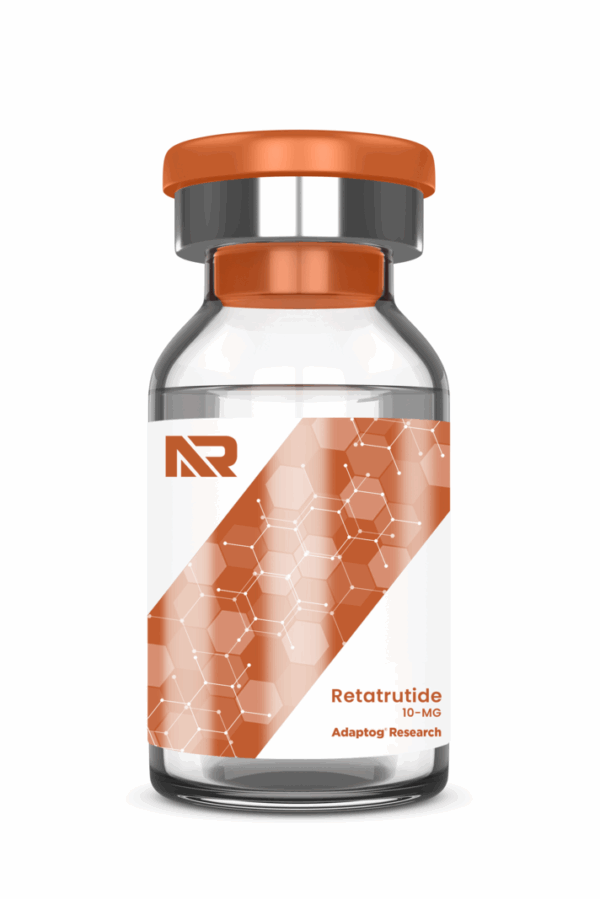
As a triple agonist (GLP-1/GIP/Glucagon), retatrutide is currently one of the most potent options in peptides that suppress hunger research. The added glucagon component further enhances satiety while increasing energy use, resulting in some of the highest weight reduction rates observed in trials.
4. Other Notable Peptides
- CJC-1295 & Ipamorelin: Indirectly support appetite control through growth hormone pathways and improved body composition.
- AOD-9604: Primarily fat-loss focused but may complement hunger regulation in stacks.
- Emerging Amylin Analogs: Mimic another natural satiety hormone and show strong potential for combination therapies
Research Evidence on Peptides and Appetite Control
Numerous studies support the idea that peptides can suppress hunger. In large-scale trials, participants using GLP-1-based peptides reported substantially lower hunger levels and reduced desire to eat, even months into treatment.
One key advantage of hunger suppressing peptides is their ability to preserve lean muscle better than traditional dieting alone, when combined with proper nutrition and resistance training. This addresses one of the biggest challenges of weight loss — metabolic slowdown due to muscle loss.
Can peptides suppress hunger long-term? Emerging data suggests that with proper cycling and lifestyle integration, many subjects maintain improved appetite regulation even after initial treatment phases.
Benefits of Using Peptides for Appetite Suppression
Research highlights several benefits of peptides that suppress hunger:
- Significant reduction in daily calorie intake without extreme dieting
- Improved control over emotional and reward-based eating
- Better blood sugar stability and reduced cravings
- Support for sustainable fat loss and body recomposition
- Potential improvements in metabolic markers like cholesterol and inflammation
- Enhanced quality of life through reduced food preoccupation
These effects make peptides for appetite suppression a valuable area of study for both obesity research and general metabolic health.

Combining Peptides with Lifestyle Strategies
Hunger suppressing peptides work best when paired with supportive habits:
- High-protein, nutrient-dense meals to enhance satiety signals
- Regular resistance training to preserve muscle mass
- Adequate hydration and fiber intake
- Consistent sleep schedule (poor sleep increases hunger hormones)
- Mindful eating practices
This integrated approach maximizes the effectiveness of research peptides in appetite control studies.
Safety Considerations and Research Status
While promising, all peptides discussed are intended for research purposes only and are not approved for general human consumption in many regions. Common side effects in studies include mild gastrointestinal discomfort, which often decreases over time.
Researchers exploring can peptides suppress hunger should prioritize:
- High-purity, third-party tested compounds
- Proper dosing protocols
- Regular monitoring of relevant health markers
- Ethical research practices
Long-term human data is still accumulating, particularly for newer multi-receptor agonists.
The Future of Hunger Suppressing Peptides
The field of peptides that suppress hunger is advancing quickly. Scientists are developing oral formulations, longer-acting versions, and personalized combinations to improve tolerability and accessibility.
As understanding of appetite neurobiology grows, multi-receptor agonists may offer more precise and effective solutions than current options. This could revolutionize how we approach obesity and metabolic disorders on a global scale.
Conclusion: The Potential of Peptides for Appetite Control
Can peptides suppress hunger? Current research strongly suggests yes — with impressive results in both appetite reduction and sustainable weight management. From GLP-1 agonists to advanced dual and triple agonists like tirzepatide and retatrutide, hunger suppressing peptides represent a major leap forward in metabolic science.
While more studies are needed, the existing evidence positions these compounds as powerful tools for researchers investigating better solutions for appetite regulation and body composition.
For those studying peptides for appetite suppression, the future looks promising. Combined with proper lifestyle foundations, these peptides may help unlock more effective, science-backed approaches to managing hunger and achieving lasting health improvements.