

MOTS-c and Its Influence on Cellular Metabolism and Aging
MOTS-c and its influence on cellular metabolism and aging has become one of the most exciting areas in mitochondrial research. This small mitochondrial-derived peptide (MDP) is encoded in the 12S rRNA region of mitochondrial DNA and acts as a powerful regulator of metabolic homeostasis. Discovered in 2015, MOTS-c peptide (mitochondrial open reading frame of the 12S rRNA type-c) is now studied for its potential to combat age-related decline, insulin resistance, obesity, and metabolic dysfunction.
In this comprehensive guide, we explore the science behind MOTS-c peptide, its mechanisms, key research findings, and why it is considered a promising candidate for promoting healthy aging and metabolic health.
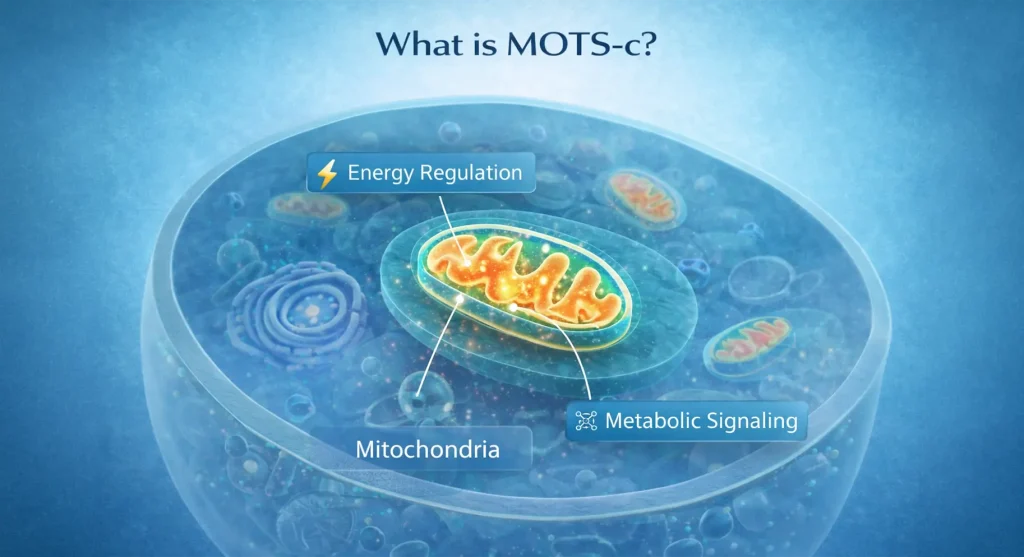
What Is MOTS-c? Understanding This Mitochondrial Peptide
MOTS-c is a 16-amino-acid peptide (sequence: Met-Arg-Trp-Gln-Glu-Met-Gly-Tyr-Ile-Phe-Tyr-Pro-Arg-Lys-Leu-Arg) produced inside mitochondria. Unlike most peptides, it is encoded directly by mitochondrial DNA, highlighting the mitochondria’s role as active signaling organelles rather than just energy producers.
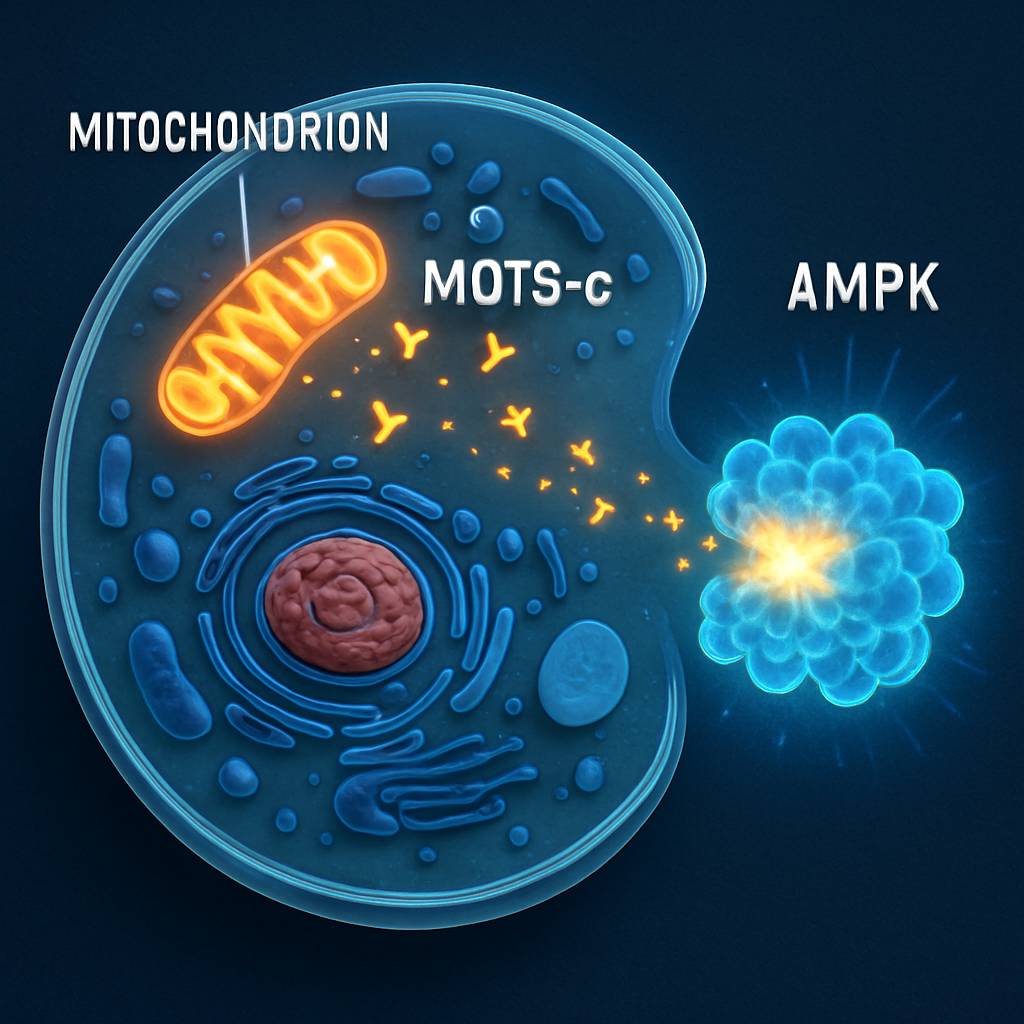
Under conditions of metabolic stress or exercise, MOTS-c levels rise. It can translocate from mitochondria to the nucleus, where it influences gene expression related to metabolism, stress response, and proteostasis. Circulating levels of MOTS-c tend to decline with age, linking it directly to MOTS-c and its influence on cellular metabolism and aging.
Mechanisms: How MOTS-c Regulates Cellular Metabolism
MOTS-c exerts its effects primarily through the AMPK (AMP-activated protein kinase) pathway — a master regulator of energy balance often called the “metabolic master switch.” Key actions include:
- Activation of AMPK and SIRT1: Promotes mitochondrial biogenesis via PGC-1α and improves cellular energy efficiency.
- Folate-Methionine Cycle Modulation: Influences one-carbon metabolism, leading to increased AICAR levels that further activate AMPK.
- Glucose Uptake and Insulin Sensitivity: Enhances GLUT4 translocation in skeletal muscle, improving glucose handling and reducing insulin resistance.
- Lipid Metabolism: Boosts fatty acid oxidation and helps prevent ectopic fat accumulation in liver and muscle.
- Nuclear Gene Regulation: Under stress, MOTS-c enters the nucleus and regulates genes involved in antioxidant defense, inflammation control, and metabolic adaptation.
These mechanisms make MOTS-c particularly effective at restoring metabolic flexibility — the body’s ability to switch efficiently between glucose and fat as fuel sources.
MOTS-c Research on Insulin Resistance and Obesity
One of the strongest bodies of evidence around MOTS-c and its influence on cellular metabolism comes from studies on obesity and type 2 diabetes. In high-fat diet mouse models, MOTS-c administration prevented diet-induced obesity, reduced fat accumulation, and restored insulin sensitivity.
Human observational studies show lower circulating MOTS-c levels in obese individuals and those with insulin resistance. Genetic variants in the MOTS-c coding region have even been associated with longevity in certain populations, such as Japanese centenarians, suggesting a link between this peptide and metabolic resilience across the lifespan.
The Anti-Aging Potential of MOTS-c
MOTS-c and its influence on cellular metabolism and aging is especially promising. Endogenous MOTS-c and aging expression decreases with age, contributing to mitochondrial dysfunction — a hallmark of aging.
Key findings from aging research:
- Improved Physical Performance: In young, middle-aged, and old mice, MOTS-c treatment significantly enhanced treadmill endurance and exercise capacity.
- Muscle Health: Reduces myostatin expression and helps prevent age-related muscle atrophy while supporting muscle differentiation.
- Senescence Reduction: Lowers markers of cellular senescence in various tissues, including pancreatic beta cells.
- Systemic Benefits: Shows potential in protecting against age-related conditions such as osteoporosis, cardiovascular decline, and cognitive impairment through improved metabolic signaling.
Late-life intermittent MOTS-c treatment in mice improved physical capacity and trended toward increased lifespan, positioning it as an “exercise mimetic” that may deliver some benefits of physical activity even when exercise capacity is limited.
Additional Research Areas: Inflammation, Exercise, and Beyond
MOTS-c also demonstrates anti-inflammatory effects and supports adaptation to metabolic stress. Exercise itself strongly induces MOTS-c expression in skeletal muscle and circulation, explaining part of why regular physical activity is so beneficial for long-term metabolic and cellular health.
Emerging studies explore its role in:
- Neuroprotection and brain metabolism
- Bone remodeling and osteoporosis prevention
- Cardiac function under stress
- Fatty liver disease and liver metabolism
Safety Profile and Research Status
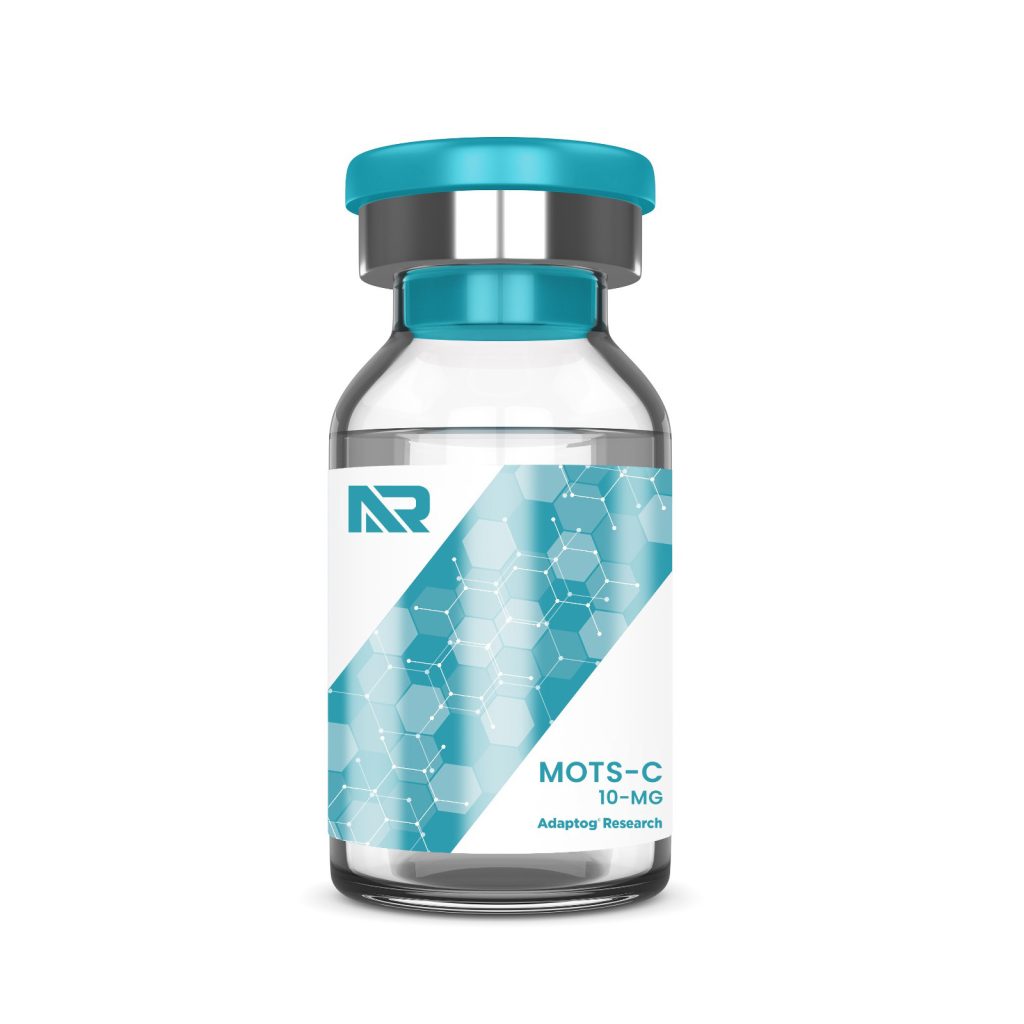
MOTS-c is currently studied strictly for research purposes only and is not approved for human therapeutic use. Preclinical data indicate a favorable safety profile with no identified lethal dose in animal models, but long-term human clinical trials are still limited.
Researchers should source high-purity, third-party tested compounds and follow proper experimental protocols when investigating MOTS-c peptide.
Practical Implications and Future Directions
MOTS-c and its influence on cellular metabolism and aging could have broad applications in preventive medicine and age-related disease management. As an exercise mimetic and metabolic regulator, it offers exciting possibilities for individuals struggling with metabolic syndrome, sarcopenia, or reduced physical capacity due to aging.
Future research will likely focus on:
- Optimized delivery methods and dosing
- Combination therapies with lifestyle interventions
- Larger-scale human trials
- Understanding genetic variations in MOTS-c response
Conclusion
MOTS-c represents a fascinating link between mitochondrial function, cellular metabolism, and the aging process. By activating key energy-sensing pathways, improving insulin sensitivity, enhancing physical performance, and supporting resilience against metabolic stress, this mitochondrial-derived peptide offers new insights into how we might promote healthier aging.
While more research is needed to fully translate these findings into clinical applications, current evidence on MOTS-c and its influence on cellular metabolism and aging is highly encouraging. As science continues to unlock the secrets of mitochondrial signaling, MOTS-c stands out as a promising research tool with significant potential for metabolic and longevity science.
For researchers exploring mitochondrial peptides and healthy aging, MOTS-c remains one of the most compelling compounds to watch in the coming years.