

DSIP: The Research of Delta Sleep Inducing Peptide
DSIP, or Delta Sleep Inducing Peptide, is a naturally occurring neuropeptide that has fascinated researchers since its discovery in 1977. Isolated from the cerebral venous blood of rabbits, this nine-amino-acid peptide (Trp-Ala-Gly-Gly-Asp-Ala-Ser-Gly-Glu) earned its name from its apparent ability to promote delta-wave (deep) sleep. Decades later, studies on DSIP research continue to explore its potential roles in sleep regulation, stress modulation, pain relief, and neuroprotection.
In this comprehensive guide, we dive deep into the science behind Delta Sleep Inducing Peptide, key findings from preclinical and human studies, proposed mechanisms, and why DSIP research remains relevant in modern sleep and neuroscience investigations.

Discovery and Historical Context of DSIP Research
Delta Sleep Inducing Peptide was first identified by Swiss researchers Schoenenberger and Monnier in 1977 during experiments involving electrical stimulation of the thalamus in rabbits. They observed a substance in the blood that appeared to induce sleep-like states when transferred to recipient animals.
Early DSIP research focused heavily on its sleep-promoting properties. Animal studies across rabbits, rats, mice, and cats demonstrated increased delta-wave sleep, reduced sleep latency, and improved sleep architecture. These findings sparked interest in DSIP as a potential tool for understanding natural sleep mechanisms and treating insomnia without the heavy sedation associated with traditional hypnotics.
While initial excitement was high, human trials in the 1980s and 1990s produced mixed but intriguing results. Some studies reported normalized sleep patterns in insomniacs, better daytime alertness, and improved stress tolerance. However, not all trials showed strong statistical significance, leading researchers to describe DSIP as a modulator rather than a direct sedative.
How Delta Sleep Inducing Peptide Works: Proposed Mechanisms
DSIP research suggests the peptide influences multiple systems in the central nervous system. Key mechanisms include:
- GABAergic System Modulation: DSIP appears to interact with GABA receptors, promoting relaxation and natural sleep onset without strong pharmacological sedation.
- HPA Axis Regulation: It may help normalize cortisol and ACTH levels, reducing stress-induced disruptions to sleep and hormonal balance.
- Neurotransmitter Influence: Studies show effects on serotonin, dopamine, glutamate, and melatonin pathways, which are critical for mood, circadian rhythms, and sleep quality.
- Circadian Rhythm Support: Delta Sleep Inducing Peptide has been linked to modulation of circadian clock genes, potentially helping reset disrupted biological rhythms.
- Antioxidant and Neuroprotective Effects: Preclinical data indicate DSIP can protect brain mitochondria from oxidative stress and hypoxia, supporting neuronal health.
These multifaceted actions make DSIP an interesting subject for Delta Sleep Inducing Peptide research beyond simple sleep induction.
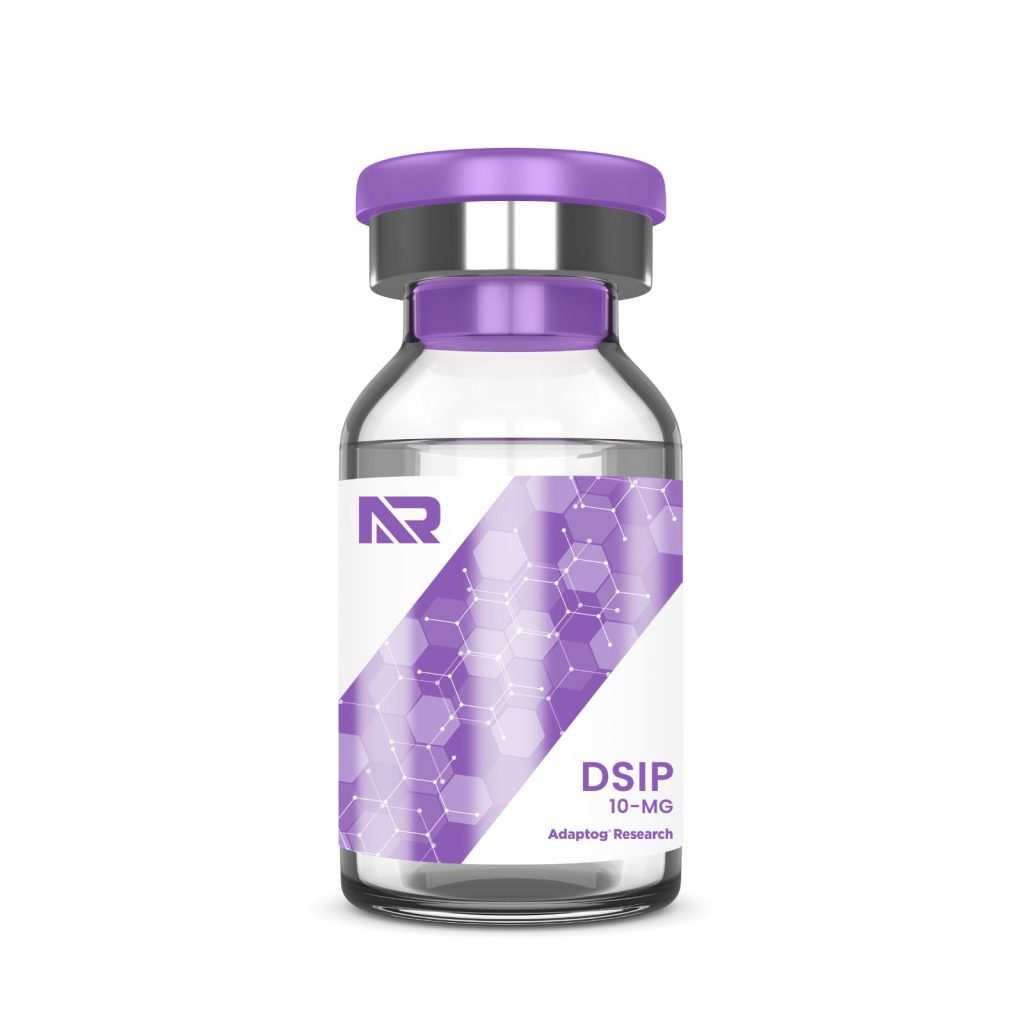
Key Findings from DSIP Sleep Research
Numerous animal studies have shown that DSIP can increase slow-wave sleep duration and improve transitions between sleep stages. In one notable rat study, it boosted slow-wave sleep by up to 32% and total sleep time significantly.
Human trials provide more nuanced insights. A double-blind study on chronic insomniacs found higher sleep efficiency, shorter sleep latency, and reduced subjective tiredness with DSIP compared to placebo. Other small-scale research reported immediate “sleep pressure” after administration, increased sleep time, and better overall sleep quality without next-day grogginess.
However, some reviews note that effects can be variable depending on dosage, timing, and individual factors. DSIP research often emphasizes its role in normalizing rather than forcing sleep, which distinguishes it from many conventional sleep aids.
Broader DSIP Benefits Explored in Research
Beyond sleep, Delta Sleep Inducing Peptide research has investigated several additional areas:
- Stress and Anxiety Reduction: DSIP may lower stress hormone levels and improve coping behavior. Animal models show reduced anxiety-like behaviors and better resilience to chronic stress.
- Pain Modulation: Some studies suggest analgesic properties, potentially through opioid receptor interactions.
- Neuroprotection and Recovery: Recent research, including stroke models, indicates DSIP can support motor function recovery and protect brain tissue from ischemia.
- Withdrawal Support: Preliminary findings show potential in normalizing sleep patterns disrupted by substance withdrawal.
- Anti-Aging and Longevity: Long-term administration in mice has been linked to increased maximum lifespan and reduced tumor incidence in certain strains.
These diverse findings keep DSIP research active in fields ranging from sleep medicine to regenerative neuroscience.
Safety Profile and Research Limitations
Delta Sleep Inducing Peptide is generally considered to have a favorable safety profile in available studies. No lethal dose has been identified in animal research, and significant side effects are rare. Mild, transient issues such as headache, nausea, or vertigo have been reported in some human subjects.
That said, DSIP research highlights important limitations:
- Most data come from small-scale or older studies.
- Long-term human safety and efficacy require more robust clinical trials.
- Results can vary widely between individuals.
- DSIP remains unapproved for human therapeutic use and is sold strictly for research purposes.
Researchers emphasize responsible protocols, proper sourcing of high-purity peptide, and careful monitoring in experimental settings.

Technical Overview of DSIP
- CAS Number: 62568-57-4
- Molecular Weight: 848.81 g/mol
- Amino Acid Sequence: Trp-Ala-Gly-Gly-Asp-Ala-Ser-Gly-Glu
- PubChem CID: 6886
DSIP is typically studied via injection (subcutaneous or intravenous) in research, though newer formulations explore better delivery methods, including blood-brain barrier crossing enhancements.
The Future of Delta Sleep Inducing Peptide Research
Modern DSIP research is exploring fusion peptides, improved bioavailability, and combination therapies. Interest remains strong in its potential for insomnia, stress-related disorders, neurodegenerative conditions, and recovery protocols.
As tools for studying sleep and brain function advance, Delta Sleep Inducing Peptide continues to serve as a valuable research tool for unraveling complex interactions between sleep, stress, and overall health. While not a miracle compound, its unique profile offers insights that could inform future treatments for sleep and neurological disorders.
Conclusion
DSIP: The Research of Delta Sleep Inducing Peptide reveals a fascinating neuropeptide with broad potential. From promoting natural deep sleep and modulating stress responses to offering neuroprotective benefits, DSIP research spans decades and multiple disciplines.
While more high-quality human studies are needed, existing evidence positions Delta Sleep Inducing Peptide as an intriguing subject for researchers exploring sleep science, stress physiology, and brain health. As with all research peptides, focus on quality, ethics, and scientific rigor remains essential.
The ongoing investigation into DSIP may yet unlock deeper understandings of how our bodies regulate rest and resilience — potentially contributing to better solutions for sleep disorders and related conditions in the future.