

Understanding Multi-Receptor Agonists in Modern Research
Multi-receptor agonists in modern research represent a groundbreaking advancement in peptide-based therapies, particularly in the fields of obesity, type 2 diabetes, and metabolic health. Unlike traditional single-target drugs, these compounds simultaneously activate multiple hormone receptors, delivering more comprehensive and potent effects on appetite, energy expenditure, glucose control, and body composition.
In this detailed guide, we explore understanding multi-receptor agonists in modern research, their mechanisms, leading examples like tirzepatide and retatrutide, and why they are considered the next frontier in metabolic science.

What Are Multi-Receptor Agonists?
Multi-receptor agonists are synthetic peptides designed to mimic and activate two or more natural hormone receptors at once. The most prominent in current research are dual agonists and triple agonists that target the incretin system and related pathways.
- Dual agonists (e.g., GLP-1/GIP) activate two receptors.
- Triple agonists (e.g., GLP-1/GIP/Glucagon) engage three receptors for enhanced results.
This multi-target approach addresses the complex nature of metabolic diseases more effectively than single-receptor drugs like earlier GLP-1 receptor agonists (semaglutide).
Researchers studying multi-receptor agonists in modern research are particularly interested in how these compounds improve upon the limitations of previous generations, such as plateauing weight loss or gastrointestinal side effects.
The Science Behind Multi-Receptor Agonists
The incretin hormones — GLP-1 (glucagon-like peptide-1) and GIP (glucose-dependent insulinotropic polypeptide) — play crucial roles in blood sugar regulation and appetite control. Adding glucagon receptor activation further boosts energy expenditure and fat oxidation.
Understanding multi-receptor agonists in modern research reveals their synergistic power:
- GLP-1 Receptor Activation: Slows gastric emptying, reduces appetite, and stimulates insulin release.
- GIP Receptor Activation: Enhances insulin secretion, improves lipid metabolism, and may reduce nausea associated with GLP-1 alone.
- Glucagon Receptor Activation (in triple agonists): Increases energy expenditure, promotes lipolysis (fat breakdown), and helps preserve lean muscle during significant weight loss.
This multi-pathway targeting leads to superior outcomes in weight reduction, glycemic control, and even liver fat reduction compared to mono-agonists.
Leading Examples in Multi-Receptor Agonist Research
1. Tirzepatide – The Pioneering Dual Agonist
Tirzepatide (brand names Mounjaro and Zepbound) is a GLP-1/GIP dual receptor agonist that has transformed expectations in obesity treatment. Clinical trials showed average weight loss of up to 20-22% in participants, significantly outperforming single GLP-1 agonists.
Researchers exploring multi-receptor agonists weight loss often cite tirzepatide as proof that dual targeting produces better body recomposition and metabolic improvements.
2. Retatrutide – The Triple Agonist Breakthrough
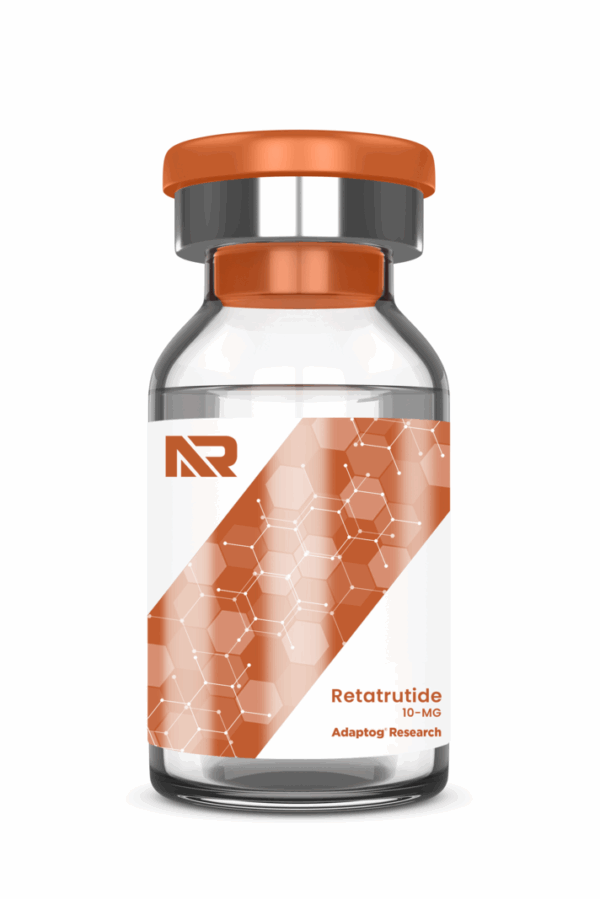
Retatrutide (LY3437943) is currently one of the most exciting compounds in multi-receptor agonists in modern research. As a triple agonist targeting GLP-1, GIP, and glucagon receptors, it has achieved remarkable results in phase 2 trials — up to 24% body weight reduction.
The added glucagon component enhances calorie burning and fat mobilization, making retatrutide triple agonist particularly effective for stubborn fat loss and fatty liver disease.
3. Emerging Tetra-Agonists and Next-Gen Compounds
Scientists are now developing even more advanced multi-agonists that target four receptors, incorporating additional pathways for comprehensive metabolic benefits. These next-generation peptides aim to address not only obesity but also related conditions like cardiovascular disease and neurodegeneration.

Key Benefits Observed in Research
Studies on multi-receptor agonists in modern research highlight several advantages:
- Superior Weight Loss: Greater reductions in body weight and fat mass compared to previous options.
- Improved Glycemic Control: Better HbA1c reductions and insulin sensitivity.
- Cardiometabolic Benefits: Positive effects on blood pressure, lipids, and inflammation.
- Liver Health: Significant reductions in liver fat content, beneficial for MASLD/MASH.
- Muscle Preservation: When combined with proper nutrition and training, these agonists may help minimize muscle loss during rapid weight reduction.
Understanding multi-receptor agonists in modern research also shows their potential for better tolerability profiles in some patients due to balanced receptor activation.
Mechanisms of Action in Detail
Multi-receptor agonists weight loss effects stem from coordinated actions across the body:
- Central Nervous System: Stronger appetite suppression via hypothalamic signaling.
- Gastrointestinal Tract: Delayed gastric emptying and altered nutrient absorption.
- Adipose Tissue: Enhanced lipolysis and improved fat partitioning.
- Liver and Muscle: Optimized glucose uptake and energy utilization.
- Pancreas: Glucose-dependent insulin secretion with reduced hypoglycemia risk.
This holistic approach explains why compounds like retatrutide triple agonist outperform earlier therapies in clinical settings.
Challenges and Considerations in Research
While promising, understanding multi-receptor agonists in modern research requires acknowledging current limitations:
- Most data come from relatively short-term trials.
- Long-term safety profiles are still being established.
- Gastrointestinal side effects remain common (though often milder in multi-agonists).
- High cost and injection-based delivery for many compounds.
- Need for more diverse population studies.
All such peptides are currently for research purposes only and not approved for general human consumption outside specific clinical contexts.
Future Directions and Potential Impact
The field of multi-receptor agonists in modern research is advancing rapidly. Future developments may include:
- Oral formulations for better patient compliance.
- Personalized therapies based on genetic profiles.
- Combinations with other peptides (e.g., for muscle preservation or anti-aging).
- Broader applications in cardiovascular disease, neurodegenerative conditions, and addiction research.
Experts believe these innovations could rival or even surpass the effects of bariatric surgery for many patients, offering a pharmacological solution to the global obesity epidemic.
Practical Implications for Researchers and Enthusiasts
For those studying multi-receptor agonists weight loss or metabolic health, key considerations include:
- Sourcing high-purity, third-party tested research compounds.
- Understanding proper reconstitution and storage protocols.
- Monitoring relevant biomarkers in experimental models.
- Combining research with lifestyle interventions for optimal outcomes.
Conclusion: A New Era in Metabolic Research
Understanding multi-receptor agonists in modern research reveals their immense potential to reshape treatment paradigms for obesity, diabetes, and related metabolic disorders. From tirzepatide’s dual action to retatrutide’s triple agonism and beyond, these sophisticated peptides demonstrate how targeting multiple pathways simultaneously can yield transformative results.
As research continues, multi-receptor agonists are poised to play an increasingly central role in precision metabolic medicine. Their ability to deliver superior weight loss, better glycemic control, and broader health benefits positions them as one of the most significant advancements in peptide science in decades.
Researchers and clinicians following this space closely will likely witness continued breakthroughs that bring us closer to more effective, tolerable, and accessible solutions for metabolic health challenges.