
3 Peptides That Improve Liver Health
Peptides that improve liver health are gaining significant attention in regenerative medicine and wellness research. The liver performs over 500 vital functions, including detoxification, metabolism, and protein synthesis. Modern lifestyles, alcohol consumption, medications, and metabolic conditions like NAFLD (non-alcoholic fatty liver disease) put enormous stress on this organ.
Certain peptides for liver health show promising hepatoprotective effects in preclinical studies — helping reduce inflammation, promote tissue repair, decrease fibrosis, and support overall liver regeneration. In this in-depth guide, we explore the top three peptides making waves in liver research

Why Liver Health Matters and the Role of Peptides
The liver is remarkably regenerative, but chronic damage can lead to scarring (fibrosis), fatty liver, and eventually cirrhosis. Traditional treatments focus on lifestyle changes, but researchers are increasingly studying bioactive peptides as targeted support.
Peptides that improve liver health often work by modulating inflammation, accelerating healing at the cellular level, protecting hepatocytes (liver cells), and influencing pathways involved in oxidative stress and fibrosis. While all peptides discussed are for research purposes only and not approved for human consumption, their potential in laboratory models is compelling.
1. BPC-157 – The Premier Peptide for Liver Protection
(Body Protection Compound-157) is a synthetic 15-amino-acid peptide derived from a protective protein found in human gastric juice. It stands out among peptides that improve liver health due to decades of preclinical research demonstrating strong hepatoprotective effects.
Key Mechanisms:
- Reduces oxidative stress and inflammation in liver tissue
- Protects against toxin-induced damage (e.g., CCl4, alcohol, NSAIDs)
- Promotes angiogenesis (new blood vessel formation) to support healing
- Accelerates liver regeneration after injury or ischemia
- Exhibits cytoprotective properties that prevent cell death in hepatocytes
Studies have shown it can significantly prevent liver necrosis and fatty changes in multiple animal models of injury, including restraint stress, bile duct ligation, and chemical toxicity. Researchers note its ability to counteract multi-organ damage while supporting gut-liver axis health — crucial since many liver issues originate from intestinal permeability.
For those exploring, BPC-157 is often considered the most versatile and well-studied option for liver repair research.
2. TB-500 (Thymosin Beta-4) – Anti-Fibrotic and Regenerative Support
TB-500, a synthetic version of Thymosin Beta-4, is another standout among peptides that improve liver health. This peptide plays a critical role in actin regulation, cell migration, and tissue remodeling — processes essential for healing damaged organs.
Benefits Observed in Liver Research:
- Reduces liver fibrosis and scar tissue formation
- Exhibits anti-apoptotic (anti-cell death) effects on hepatocytes
- Modulates stellate cells responsible for excessive collagen production in fibrosis
- Supports overall tissue repair and reduces inflammation after alcohol or toxin exposure
- Improves microcirculation to deliver nutrients and oxygen to damaged areas
In preclinical models, TB-500 has demonstrated potential in reducing alcohol-induced and chemical-induced liver injury. When combined with BPC-157, many researchers study the synergistic “Wolverine Stack” for enhanced systemic healing, including liver support.
TB-500 is particularly interesting for chronic liver conditions where fibrosis is a primary concern, making it a valuable subject for studies on long-term liver regeneration.
3. GHK-Cu (Copper Peptide) – Antioxidant and Regenerative Powerhouse
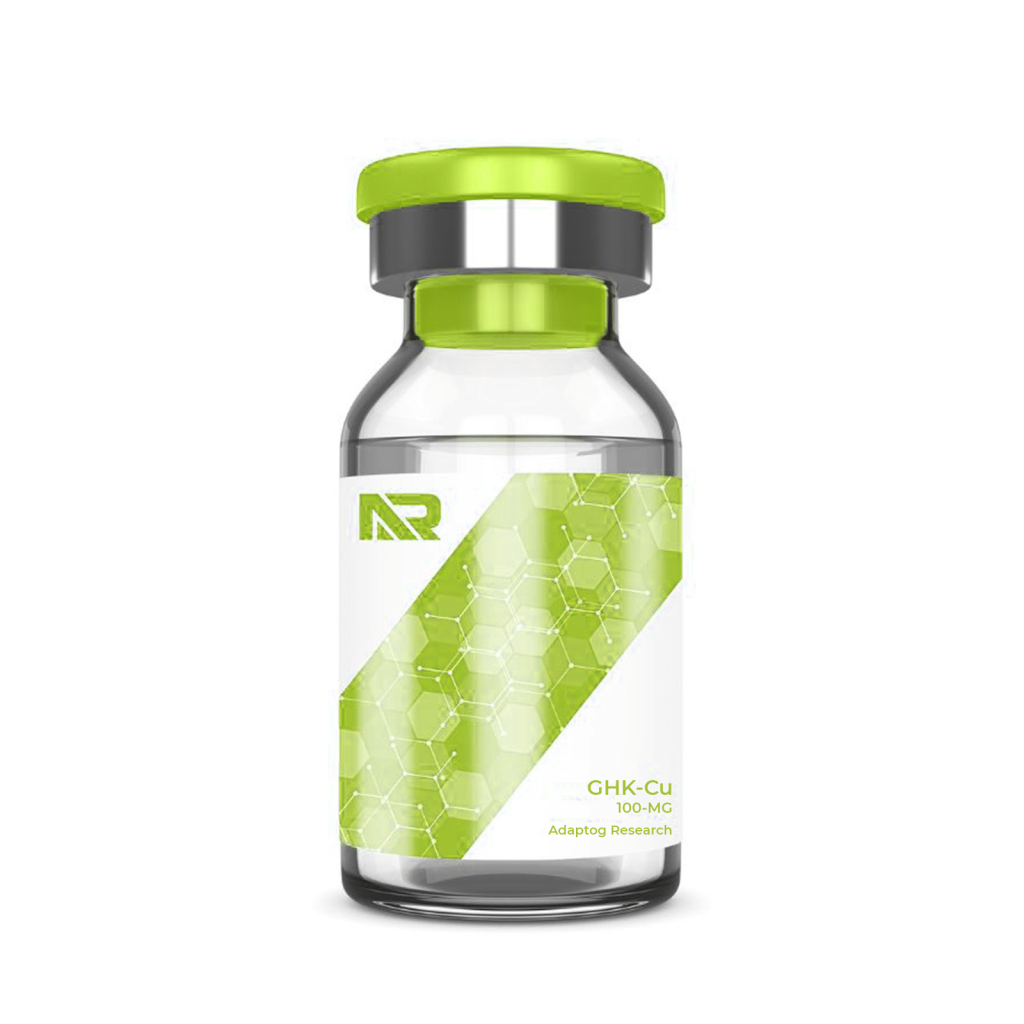
GHK-Cu (Glycyl-L-Histidyl-L-Lysine Copper Complex) is a naturally occurring tripeptide that declines with age. It ranks among the top peptides for liver health due to its potent antioxidant, anti-inflammatory, and tissue-remodeling properties.
How GHK-Cu Supports Liver Health:
- Strong antioxidant activity that combats oxidative stress — a major driver of liver damage
- Promotes collagen remodeling and reduces fibrosis
- Supports stem cell activity and tissue regeneration
- Enhances wound healing and has shown protective effects on multiple organs, including the liver
- May improve skin and connective tissue health, indirectly benefiting metabolic function
Research suggests it can help rejuvenate older tissues and protect against age-related decline. In the context of liver health, its ability to reduce inflammation and support cellular repair makes it a complementary option to BPC-157 and TB-500.

How These Peptides Work Synergistically for Liver Health
When studying peptides for liver health, many protocols explore combinations:
- BPC-157 for direct cytoprotection and gut-liver axis support
- TB-500 for anti-fibrotic and systemic repair
- GHK-Cu for antioxidant and regenerative effects
Together, they target multiple pathways — inflammation, oxidative stress, fibrosis, and regeneration — offering a comprehensive approach in research settings.
Additional Lifestyle Factors That Enhance Peptide Research Outcomes
Peptides for liver health work best alongside supportive habits:
- Maintain a healthy weight and manage blood sugar
- Reduce alcohol and processed food intake
- Consume liver-friendly foods (leafy greens, cruciferous vegetables, turmeric, coffee)
- Stay hydrated and exercise regularly
- Consider milk thistle or NAC as complementary research compounds
Safety, Research Status, and Important Considerations
All peptides for liver health discussed here are sold strictly for laboratory and research use. They are not approved by regulatory agencies for human therapeutic use. Most evidence comes from animal and in vitro studies, with limited long-term human data available.
Potential considerations include proper dosing, administration methods (often subcutaneous injection or oral for some), and sourcing high-purity, third-party tested compounds. Researchers should monitor liver enzymes and follow ethical protocols.
The Future of Peptides in Liver Health
As metabolic liver disease rises globally, interest in peptides for liver health continues to grow. Ongoing research and emerging compounds like mitochondria-derived peptides (e.g., MOTS-c) may unlock new therapeutic avenues for fatty liver, fibrosis, and regeneration.
These peptides represent an exciting frontier in regenerative science, potentially offering more targeted and effective support than traditional approaches alone.
Conclusion
BPC-157, TB-500, and GHK-Cu are three of the most promising peptides for liver health based on current preclinical research. From protecting against toxins and reducing inflammation to combating fibrosis and promoting regeneration, these compounds offer multifaceted benefits for liver research.
While more clinical studies are needed, the existing data highlights their potential in supporting one of the body’s most critical organs. If you’re a researcher exploring liver health optimization, focus on quality products, rigorous protocols, and a holistic approach combining peptides with lifestyle factors.
The future of liver health looks brighter with these innovative research tools. Always prioritize safety, ethics, and scientific integrity in your studies.