

Can Peptides Change the Future of Cardiovascular Health?
Peptides for cardiovascular health are emerging as one of the most exciting frontiers in modern medicine. Cardiovascular disease remains the leading cause of death worldwide, and traditional treatments often manage symptoms rather than address underlying tissue damage. Researchers are now investigating whether peptides for heart health can promote regeneration, reduce inflammation, improve vascular function, and potentially transform how we prevent and treat heart conditions.
In this comprehensive guide, we examine the science behind peptides that may change the future of cardiovascular health, key compounds showing promise in preclinical and early clinical research, and what this could mean for the future of cardiology.
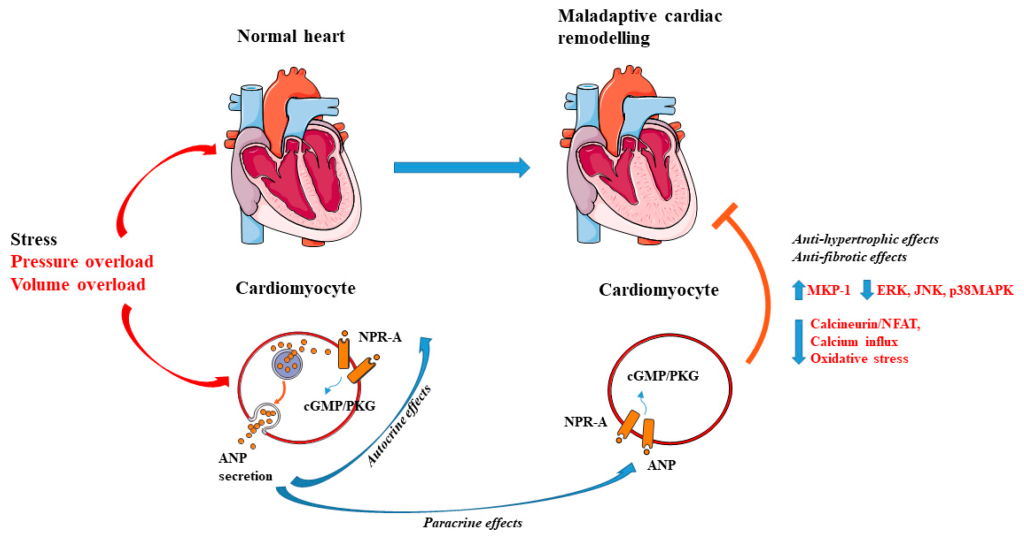
The Growing Burden of Cardiovascular Disease
Heart disease, including heart failure, atherosclerosis, myocardial infarction, and hypertension, affects millions globally. Current therapies like statins, beta-blockers, and ACE inhibitors are effective but limited — they rarely reverse existing damage. This gap has driven interest in regenerative approaches, particularly peptides for cardiovascular health that target repair at the cellular level.
Peptides for heart health are short chains of amino acids that can act as signaling molecules, influencing inflammation, angiogenesis (new blood vessel formation), fibrosis, and cardiac cell survival. Many mimic or enhance natural protective mechanisms in the body.
How Peptides Support Cardiovascular Repair
Peptides for cardiovascular health work through multiple mechanisms:
- Reducing chronic inflammation
- Promoting angiogenesis and endothelial repair
- Protecting cardiomyocytes from oxidative stress and apoptosis
- Modulating fibrosis to prevent stiffening of heart tissue
- Improving mitochondrial function and energy production in cardiac cells
These actions position certain peptides as potential game-changers for both prevention and recovery after events like heart attacks.
Top Peptides Showing Promise for Heart Health
Several compounds stand out in research on peptides that may change the future of cardiovascular health:
1. BPC-157 – The Vascular Healing Peptide
BPC-157 (Body Protection Compound-157) is one of the most studied peptides for heart health. Derived from a gastric protein, it demonstrates powerful cytoprotective and angiogenic effects.
In preclinical models, BPC-157 for heart repair has shown the ability to:
- Accelerate healing after myocardial infarction
- Improve endothelial function and blood vessel integrity
- Reduce arrhythmias and support cardiac rhythm stability
- Counteract damage from NSAIDs, alcohol, and other toxins affecting the cardiovascular system
Its ability to modulate the gut-heart axis and promote nitric oxide pathways makes BPC-157 a leading candidate among peptides for cardiovascular health.
2. TB-500 (Thymosin Beta-4) – Tissue Regeneration and Anti-Fibrotic Support
TB-500, a synthetic version of Thymosin Beta-4, excels in promoting cell migration, actin regulation, and wound healing. In cardiovascular research, it has demonstrated potential to:
- Activate epicardial progenitor cells for myocardial regeneration
- Reduce cardiac fibrosis after injury
- Improve heart function and survival rates in heart failure models
- Support new blood vessel formation in damaged tissue
Many researchers combine BPC-157 and TB-500 for cardiovascular benefits, creating a synergistic approach to repair and regeneration.
3. GHK-Cu – Antioxidant and Vascular Protection
GHK-Cu (Copper Tripeptide) is a naturally occurring peptide that declines with age. Among peptides for heart health, it stands out for its:
- Strong antioxidant properties that combat oxidative stress in cardiac tissue
- Ability to remodel extracellular matrix and reduce fibrosis
- Support for vascular health and endothelial function
- Potential to improve overall tissue rejuvenation in aging hearts
GHK-Cu for cardiovascular health is particularly interesting for long-term preventive applications.
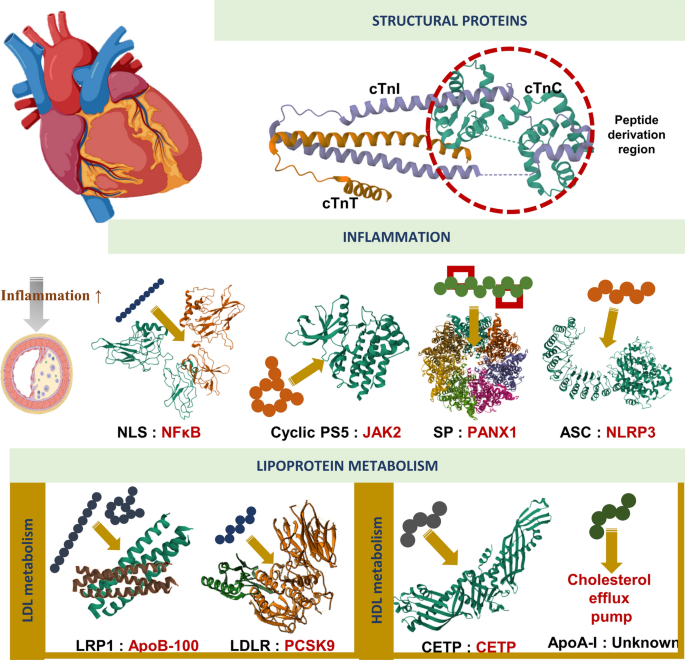
Other Notable Peptides in Cardiovascular Research
- Natriuretic Peptides (ANP, BNP): Already used clinically (e.g., Nesiritide) for heart failure management due to their vasodilatory and diuretic effects.
- Hexarelin and Growth Hormone Secretagogues: Shown to improve cardiac function post-infarction and reduce remodeling.
- MOTS-c and Mitochondrial-Derived Peptides: Emerging for metabolic support and protection against ischemia-reperfusion injury.
- S100A1ct: A newer synthetic peptide demonstrating improved contractility and survival in heart failure models.
These compounds highlight how peptides for cardiovascular health could address multiple aspects of heart disease simultaneously.
Potential Benefits of Peptide Therapy for the Heart
Research into peptides that may change the future of cardiovascular health suggests several advantages over conventional treatments:
- Targeted repair of damaged heart tissue
- Reduced systemic side effects compared to broad pharmaceuticals
- Support for natural regenerative processes
- Potential combination with existing therapies for better outcomes
- Benefits for both acute recovery and chronic condition management
For example, studies on BPC-157 heart repair show faster functional recovery, while TB-500 cardiovascular benefits focus on long-term structural improvements.
Challenges and Research Status
Despite promising preclinical data, most peptides for heart health remain in the research phase. Key challenges include:
- Limited large-scale human clinical trials
- Need for optimized delivery methods and dosing protocols
- Regulatory hurdles for new therapeutic peptides
- Understanding long-term safety profiles
All peptides discussed are currently sold for research purposes only and are not approved for human therapeutic use in most jurisdictions. Responsible sourcing from reputable suppliers with third-party testing is essential for laboratory studies.
The Future Outlook: Peptides in Cardiology
Can peptides truly change the future of cardiovascular health? Many experts believe so. Advances in peptide engineering, better understanding of signaling pathways, and combination therapies could lead to:
- Personalized peptide protocols based on genetic and biomarker profiles
- Non-invasive or oral delivery options
- Preventive treatments for high-risk individuals
- Regenerative solutions that reduce the need for transplants or mechanical devices
Ongoing research into peptides for cardiovascular disease and heart regeneration continues to accelerate, with new candidates entering pipelines regularly.

Integrating Peptides with Lifestyle Approaches
Peptides for heart health are most effective when combined with foundational habits:
- Regular aerobic and resistance exercise
- Heart-healthy diet rich in anti-inflammatory foods
- Stress management and quality sleep
- Maintaining healthy blood pressure and cholesterol levels
This holistic approach maximizes the potential of research compounds in supporting cardiovascular resilience.
Conclusion: A Promising Horizon for Heart Health
Peptides for cardiovascular health represent a paradigm shift toward regenerative cardiology. From BPC-157 for heart repair and TB-500 cardiovascular benefits to antioxidant powerhouses like GHK-Cu, these compounds offer new hope for addressing the root causes of heart disease rather than just symptoms.
While more human studies are needed, the preclinical evidence is compelling. As research progresses, peptides that may change the future of cardiovascular health could become valuable tools in the fight against the world’s leading cause of mortality.
Researchers and clinicians alike are watching this space closely. The coming years may bring breakthroughs that redefine prevention, treatment, and recovery from cardiovascular conditions.